

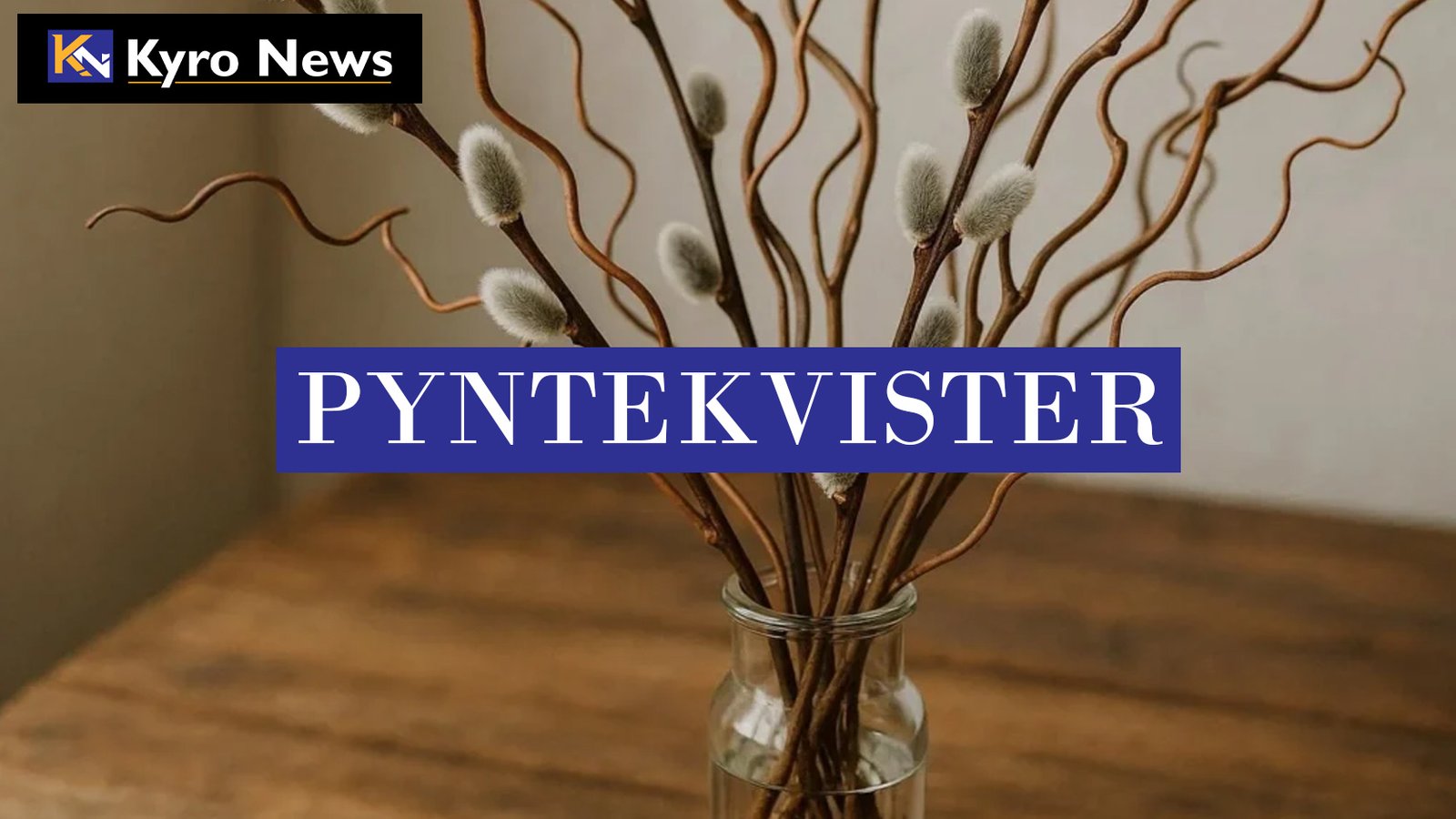
Pyntekvister is a genuine Norwegian word referring to decorative branches or twigs, a real and widely practiced element of Scandinavian home décor, particularly associated with seasonal and holiday decorating. Far from being an obscure or fabricated term, pyntekvister show up as actual, purchasable products in Norwegian home and garden marketplaces, and the underlying decorating tradition they represent is a genuine, well-established part of Scandinavian design culture. This article covers what pyntekvister actually are, the tradition they belong to, and how they’re typically used.
Because pyntekvister are a documented, currently sold product and a real design tradition rather than an ambiguous search term, this guide treats the concept as established rather than uncertain.


What Pyntekvister Actually Means
The word breaks down straightforwardly from Norwegian: “pynte” means to decorate or adorn, and “kvister” means twigs or branches, together forming “pyntekvister,” literally “decorating branches” or “decorative twigs.” These are typically bare or minimally leaved branches, often birch, willow, or similar species with visually interesting bark, shape, or structure, used as a decorative element on their own or as a base for further embellishment with ornaments, lights, or seasonal decorations.
Pyntekvister are a genuine, currently available product in Norway, listed for sale on major Norwegian marketplace and classifieds platforms alongside other home décor items, confirming this isn’t merely a descriptive phrase but an established product category with its own recognized name in Norwegian home and garden retail.
The Broader Scandinavian Tradition Behind Decorative Branches
Pyntekvister fit into a broader, genuinely well-documented Scandinavian design tradition that favors natural, minimally processed materials in home décor, an aesthetic sensibility often associated internationally with Scandinavian design more broadly, emphasizing simplicity, natural texture, and a connection to the surrounding landscape rather than heavily ornamented or synthetic decoration. Bare branches, whether displayed simply in a vase or elaborately decorated for a specific season or holiday, reflect this broader design philosophy: bringing an element of the natural, often winter, landscape indoors in a way that feels understated rather than excessive.
This aesthetic sensibility has real roots in the practical realities of Scandinavian winters, where natural greenery and flowering plants are scarce for much of the year, making bare, structurally interesting branches a practical and appealing decorating material during the long winter months when other natural decorating options are limited.
Common Uses for Pyntekvister
Decorative branches like this serve several specific purposes within Scandinavian home décor. During the Christmas and winter holiday season, pyntekvister are frequently decorated with small ornaments, fairy lights, or artificial snow, functioning as an alternative or complement to a traditional Christmas tree, particularly appealing for smaller living spaces or for those who prefer a more minimalist seasonal aesthetic than a full, densely decorated tree provides. Outside the holiday season, plain or lightly adorned branches are also used as a year-round decorative element, arranged simply in a tall vase to add height, texture, and natural visual interest to a room without requiring the ongoing maintenance that fresh flowers or potted plants demand. Event and wedding décor also regularly makes use of decorative branches, particularly for creating a natural, rustic backdrop or centerpiece element that photographs well and requires no ongoing care throughout an event.
Why Birch Branches Are a Particularly Common Choice
Birch branches specifically appear frequently in pyntekvister arrangements, and there’s a straightforward practical reason for this beyond simple availability. Birch bark has a distinctive, visually striking white coloring with dark horizontal markings, giving it strong aesthetic appeal even without leaves or additional decoration, and birch trees are genuinely widespread across Scandinavia, making the branches both a practical, sustainable, and locally sourced decorating material. This connects to a broader pattern in Scandinavian design generally, which has historically emphasized materials sourced from the immediate natural environment rather than imported or synthetic alternatives, a sensibility that extends from furniture and architecture into smaller-scale decorative choices like which branches get used for seasonal décor.
How to Source and Prepare Pyntekvister
For anyone interested in this style of decorating, branches can be sourced either through purchase from florists, garden centers, or home décor retailers that specifically sell them as a seasonal product, or gathered directly if you have access to suitable trees and appropriate permission to trim branches. Freshly cut branches typically need to dry out somewhat before they hold ornaments and lights well without excessive movement, and many people choose to spray-paint or whitewash branches, particularly for a winter-themed display, to achieve a more uniform, snow-like appearance regardless of the branch’s natural bark color. Arranging the branches in a sturdy, weighted vase or container is important for stability, particularly once ornaments or lights add additional weight to what starts as a fairly lightweight natural material.
Pairing Pyntekvister With Other Natural Elements
Decorative branches rarely stand entirely alone in a well-considered arrangement, and understanding common pairings helps anyone wanting to recreate this style more fully. Dried grasses, pampas plumes, and seed pods are frequently combined with branches to add textural variety without introducing the maintenance requirements of fresh flowers. Candles, whether placed near a branch arrangement or incorporated directly with hanging tea lights woven through the branches themselves, add warmth and ambient lighting that complements the natural material well, particularly relevant given how central candlelight is to broader Scandinavian winter décor traditions generally. Simple ceramic or woven-material vases, chosen for their understated, natural texture rather than ornate decoration, are typically preferred as containers, keeping the overall visual emphasis on the branches themselves rather than a competing, highly decorated vessel.
Seasonal Variations on the Basic Concept
While winter holiday decorating is probably the most common association with pyntekvister, the underlying concept adapts naturally across other seasons as well. Spring arrangements sometimes use branches with early buds or catkins just beginning to emerge, capturing a sense of seasonal transition rather than the bare, structural aesthetic more typical of winter displays. Some households simply rotate their branch arrangements throughout the year, swapping in different species or different decorative treatments to mark the changing seasons, treating the branches as a recurring, adaptable decorating element rather than a purely holiday-specific one. This kind of seasonal rotation is consistent with the broader Scandinavian design emphasis on maintaining a visible connection to the natural world and its changing seasons throughout the year, rather than only during a single holiday period.
The Broader Hygge and Friluftsliv Connection
Pyntekvister also connects to broader Scandinavian cultural concepts that have gained international attention in recent years, particularly the Danish concept of hygge, a sense of cozy, contented well-being often associated with simple, natural comforts during colder months, and the Norwegian concept of friluftsliv, roughly translating to “open-air living,” reflecting a deep cultural value placed on spending time in and maintaining a connection to nature. Decorating with natural branches fits comfortably within both frameworks: it’s a simple, unpretentious way of bringing a sense of natural, seasonal coziness indoors, consistent with hygge as a broader lifestyle concept, while also reflecting the value placed on natural materials and outdoor connection that friluftsliv represents, even when that connection is expressed through a small decorative gesture inside the home rather than actual time spent outdoors.
How Pyntekvister Differ From a Christmas Tree
It’s worth being direct about how this decorating approach differs from a traditional full Christmas tree, since the two serve somewhat different aesthetic and practical purposes. A full tree provides dense, layered greenery that can hold a large number of ornaments and lights, creating a lush, traditional holiday centerpiece, while pyntekvister offer a sparser, more architectural aesthetic that emphasizes negative space and the natural structure of the branches themselves rather than density of decoration. This makes decorative branches particularly well suited to smaller apartments or more minimalist interior styles where a full tree might feel visually overwhelming, while still providing a genuine seasonal, natural decorating element rooted in the same broader tradition of bringing natural materials indoors during the winter months.
Conclusion
Pyntekvister is a genuine Norwegian term for decorative branches, a real and currently sold home décor product rooted in a broader Scandinavian design tradition that favors natural, minimally processed materials, particularly practical given the long, greenery-scarce winters across the region. Far from an obscure or invented term, it reflects an established, widely practiced decorating approach with real retail presence.
Anyone interested in this style of decorating can source branches through florists, garden centers, or direct gathering, and the resulting arrangement offers a more minimalist, architectural alternative or complement to a traditional Christmas tree, fitting naturally into both seasonal and year-round Scandinavian-inspired interior design.
Where to Find Pyntekvister Outside Norway
For readers outside Norway specifically interested in sourcing branches under this exact term or in the specific Scandinavian retail style it represents, options are more limited than within Norway itself, where the term and product are directly recognized by florists and garden centers. Scandinavian design and import shops, where available, sometimes carry decorative branches marketed with Scandinavian styling language even if not labeled with the Norwegian term specifically, and general florists and garden centers in most regions can typically source or special-order decorative branches on request even without recognizing the specific Norwegian terminology, since the underlying product, structurally interesting bare branches, is a fairly standard floral and decorating supply category regardless of what it’s called locally.
Adapting the Idea Outside Scandinavia
For readers outside Scandinavia interested in trying this style of decorating, the core idea translates easily regardless of local climate or available tree species. Any locally available branch with interesting structure or bark, not necessarily birch specifically, can serve the same decorative purpose, whether that’s curly willow, dogwood with its distinctively colored red or yellow stems, or simply pruned branches from a tree already growing nearby. The underlying principle, using natural, structurally interesting branches as a minimalist decorative element rather than relying on dense foliage or synthetic materials, doesn’t depend on any single specific species, making it an easily adaptable decorating approach regardless of what grows locally in a given region.
Frequently Asked Questions
What does pyntekvister mean?
It’s a Norwegian word meaning decorative branches or twigs, combining “pynte” (to decorate) and “kvister” (twigs), referring to a genuine, established home décor product and tradition.
Is pyntekvister a real product you can buy?
Yes, it’s listed and sold as an actual product on Norwegian home and garden marketplaces, confirming it’s a recognized retail category rather than just a descriptive phrase.
What kind of branches are typically used as pyntekvister?
Birch and willow branches are particularly common, chosen for their visually interesting bark, structure, and wide availability across Scandinavia.
How are pyntekvister typically decorated?
They’re often adorned with small ornaments, fairy lights, or artificial snow, especially during the winter holiday season, functioning as an alternative or complement to a traditional Christmas tree.
Can pyntekvister be used outside the holiday season?
Yes, plain or lightly decorated branches are also used year-round as a natural decorative element, adding height and texture to a room without the maintenance fresh flowers require.
Why is this decorating style associated with Scandinavian design?
It reflects a broader Scandinavian design tradition favoring natural, minimally processed, locally sourced materials, particularly practical given how scarce natural greenery is during long Scandinavian winters.
How do I prepare branches for use as pyntekvister at home?
Let freshly cut branches dry out somewhat for stability, consider spray-painting or whitewashing for a uniform winter look, and use a sturdy, weighted container to support the branches once decorated.