

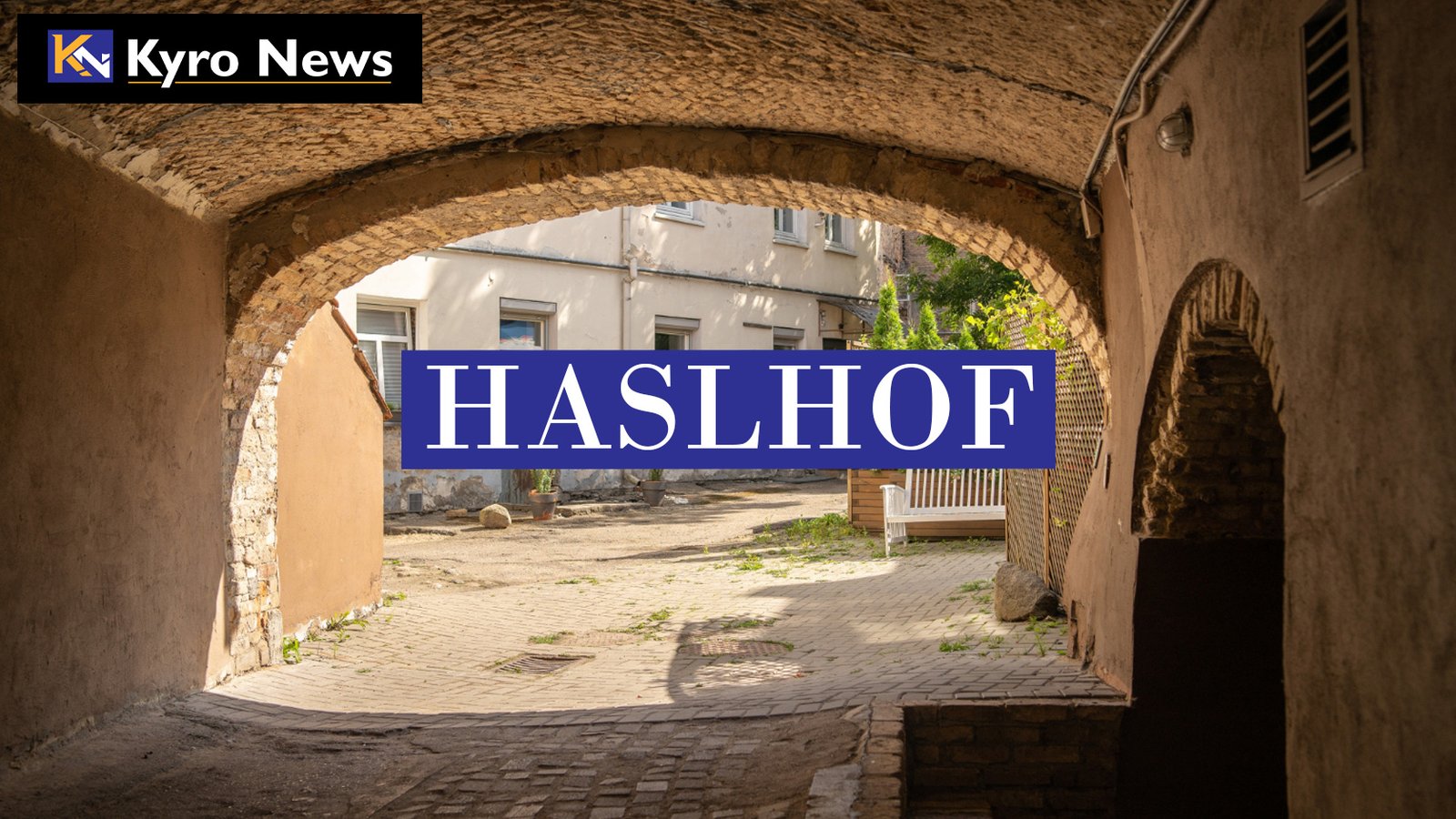
Haslhof is a genuine German-language place name, a compound of “Hasl” (a regional variant connected to “Hasel,” meaning hazel, often appearing in place names referring to hazel trees or a specific location associated with them) and “Hof,” the standard German word for a farm, farmstead, or manor estate. Rather than referring to one single, specific place, Haslhof is a name shared by multiple real, independently existing locations across German-speaking Europe, including a documented settlement referenced on German Wikipedia, a rural tourism farm in Bavaria, and a specific mountain ascent route near Covelano/Göflan in Italy’s South Tyrol region. This article covers what the name actually means, why it appears across multiple unrelated real places, and what to know about a few of its specific, documented uses.
Because Haslhof is a genuine, productive place-name pattern in German rather than an ambiguous or fabricated term, this guide treats its meaning as established while being specific about which of its several real-world uses a given piece of content is actually referring to.


What “Haslhof” Actually Means
The word breaks down straightforwardly into two recognizable German-language components. “Hof” is an extremely common and well-documented word in German place names and everyday vocabulary, referring to a farm, farmstead, courtyard, or manor estate, and appears as a suffix across thousands of place names throughout German-speaking Europe. “Hasl” connects to “Hasel,” the German word for hazel, commonly appearing in place names to indicate a location historically associated with hazel trees or hazel groves, a genuinely common naming convention across German-speaking regions where a place’s name reflects a notable natural feature of its original landscape. Together, “Haslhof” most plausibly translates to something like “hazel farm” or “farm by the hazels,” a transparent, descriptive compound name rather than an obscure or invented one.
Why the Same Name Applies to Multiple Real Places
Because “Haslhof” is built from two common, genuinely productive German place-name elements rather than being a single unique proper name, it’s unsurprising that multiple, entirely unrelated real locations across German-speaking Europe carry this same name independently. This is a well-documented and common pattern in German-language place-name formation, connecting to the broader, well-established practice of German toponymy, where descriptive compound names built from common landscape or land-use elements, “Hof,” “Berg” (mountain), “Bach” (stream), “Wald” (forest), recur across many independently named locations throughout the German-speaking world, much as “Newtown” or “Mill Creek” recur as place names across the English-speaking world without each instance being connected to the others.
A Documented Haslhof Settlement
One specific, documented use of the name appears in German Wikipedia’s own entry for Haslhof, reflecting an established, verifiable settlement or locality recognized within standard German geographic reference resources. This kind of dedicated encyclopedia entry reflects a genuine, if likely small or specifically local, place with an established enough presence to warrant standard reference documentation, distinguishing it clearly from an ambiguous or invented search term.
A Bavarian Farm Operating as “Der Haslhof”
Separately, at least one specific, currently operating business uses the Haslhof name directly: a rural farm located in the “Alten Holzland” area between the Bavarian towns of Erding, Landshut, and Mühldorf, describing itself with the tagline “Am Haslhof dürfen Menschen und Tiere einfach sein, bedingungslos” (“At Haslhof, people and animals are simply allowed to be, unconditionally”), suggesting a farm oriented around animal welfare, human wellbeing, or therapeutic and recreational farm experiences involving horses and other animals, based on the specific framing found in its own self-description. This represents a modern, currently operating business independently using the traditional Haslhof name, consistent with the pattern of the name being applied descriptively to farms located in areas historically or currently associated with hazel trees.
A Mountain Ascent Route Near Covelano/Göflan
A third, entirely distinct use of the name appears in mountaineering and climbing documentation, referring to a specific ascent route starting from or near Covelano/Göflan, a location in Italy’s South Tyrol region, an area with significant German-speaking population and correspondingly German-influenced place names reflecting the region’s linguistic and cultural history. This is yet another example of the same descriptive name pattern being applied independently to a specific geographic feature or route entirely unconnected to either the Bavarian farm or the settlement documented on German Wikipedia.
Why Understanding This Pattern Matters for Research
For anyone researching “Haslhof” for a specific purpose, whether planning a visit to the Bavarian farm, researching a specific settlement, or looking into the South Tyrol climbing route, it’s genuinely important to identify which specific Haslhof is relevant to your search, since treating the name as referring to a single, unified place would be inaccurate given how many independent locations share it. This is a useful general principle when researching any place name built from common, descriptive compound elements in a language with productive place-name formation patterns like German: checking for the specific region, country, or context alongside the base name itself, rather than assuming a single search result represents the definitive, only use of the name.
How South Tyrol’s Bilingual Place-Naming History Shapes Names Like This
It’s worth understanding the specific linguistic context behind place names like the Covelano/Göflan-area Haslhof reference, since South Tyrol’s history as a historically German-speaking area that became part of Italy after World War One has left the region with extensively documented bilingual place-naming conventions, German and Italian names frequently existing side by side for the same specific location or geographic feature. This regional history helps explain why a clearly German-language name like Haslhof appears attached to a specific route in a region now formally part of Italy, reflecting the area’s genuine, well-documented linguistic and cultural heritage rather than any inconsistency in the name’s usage.
What the Bavarian Haslhof’s Focus on Animals Reflects About Farm Tourism
It’s worth expanding on what the Bavarian Haslhof’s specific focus, framed around people and animals being allowed to “simply be, unconditionally,” reflects about a broader, genuinely significant trend in German and Austrian rural tourism and animal-assisted wellness. Farms of this kind, often centered around horses specifically, have become an established part of the German-speaking world’s approach to therapeutic and recreational engagement with animals, offering visitors structured or unstructured time with farm animals in a rural setting specifically framed around wellbeing rather than traditional agricultural production or simple petting-zoo style tourism. This kind of farm represents a genuine, documented category of rural business model, distinct from a conventional working farm or a standard tourist attraction, reflecting a specific and increasingly recognized niche within the broader German rural tourism economy.
Why Hazel Trees Specifically Appear So Often in German Place Names
It’s useful to understand why hazel trees specifically, rather than other tree species, appear so frequently as the basis for German place names like Haslhof. Hazel was historically a genuinely significant and widely distributed tree species across German-speaking Central Europe, valued for its nuts as a food source, its flexible wood used in traditional crafts and construction, and its role as a common understory tree in the region’s historical woodlands and hedgerows. This genuine historical prominence made hazel groves a naturally distinctive and memorable landscape feature worth naming a settlement or farm after, a pattern reflected not just in “Hasl-” prefixed names but across a broader family of related German place names referencing hazel, connecting to the documented, extensive tradition of descriptive, nature-based place naming common across many European languages and regions.
Conclusion
Haslhof is a genuine, transparent German compound place name, likely meaning “hazel farm,” built from common, productive elements in German toponymy rather than referring to a single unique location. Multiple real, independent places across German-speaking Europe and its historically German-influenced regions carry this name, including a documented settlement, a Bavarian farm focused on human and animal wellbeing, and a mountain ascent route in Italy’s South Tyrol.
Anyone researching Haslhof is best served identifying the specific location or context relevant to their search rather than assuming the name refers to a single, unified place, since its transparent, descriptive meaning has led multiple genuinely independent real locations to share it.
What to Ask When Planning a Visit to a Specific Haslhof
For anyone specifically planning to visit one of the real locations carrying the Haslhof name, whether the Bavarian farm, a settlement, or a South Tyrol climbing route, it’s worth confirming a few basic, practical details directly with the specific location before traveling: current opening hours or seasonal availability, since rural farms and climbing routes can both be affected by weather and seasonal conditions, any advance booking requirements, particularly for a farm offering structured animal-focused experiences, and precise directions, since a name this common can easily lead to confusion with a different, unrelated Haslhof if only the base name is used for navigation or search purposes.
Why This Kind of Shared Naming Isn’t Unique to German
It’s worth noting, finally, that this pattern of a common, descriptive compound name recurring across many independent, unrelated real places isn’t unique to German or to Haslhof specifically. Nearly every language with a long history of descriptive place naming has produced similar clusters of repeated names built from common landscape or land-use vocabulary, meaning the core lesson here, checking for the specific regional or contextual qualifier alongside a common base name, applies broadly whenever researching an unfamiliar place name that turns out to be shared by multiple real, unrelated locations rather than referring to just one.
Frequently Asked Questions
What does Haslhof mean? It’s a German compound word likely meaning “hazel farm,” combining “Hasl” (related to hazel) and “Hof” (farm or farmstead), a transparent, descriptive place-name pattern.
Is Haslhof one specific place? No, multiple real, independent locations across German-speaking Europe carry this name, since it’s built from common, productive German place-name elements rather than being a single unique proper name.
Is there a farm called Haslhof I can actually visit? Yes, a farm operating as “Der Haslhof” is located in Bavaria’s Alten Holzland area between Erding, Landshut, and Mühldorf, focused on human and animal wellbeing based on its own self-description.
Why does a mountain route in Italy have a German name like Haslhof? This reflects South Tyrol’s history as a historically German-speaking region with extensively documented bilingual German and Italian place-naming conventions.
Is Haslhof mentioned on Wikipedia? Yes, German Wikipedia includes an entry for a Haslhof settlement, reflecting an established, documented locality.
How can I find the specific Haslhof I’m looking for? Search alongside the specific region, country, or context, such as “Haslhof Bayern” or “Haslhof South Tyrol,” rather than the base name alone, since multiple independent locations share it.
Is “Hof” a common element in other German place names? Yes, it’s an extremely common suffix appearing across thousands of German place names, referring to a farm, farmstead, courtyard, or manor estate.
Primary Keyword: Haslhof
Secondary Keywords: Haslhof meaning, German place name Hof, Bavarian farm Haslhof, South Tyrol place names
SEO Title: What Is Haslhof? A Real German Place Name Used by Multiple Real Locations
Meta Description: Learn what Haslhof actually means and discover the several real, independent places across German-speaking Europe that share this name.