
Podcasts built around a single narrow niche are everywhere now, but shows that try to cover the full breadth of geek culture in one place are harder to find. Geekzilla Radio is one of the platforms positioning itself that way, describing itself as a digital broadcasting hub for everything from gaming and tech to movies and comics rather than sticking to one narrow lane. This article breaks down what Geekzilla Radio is, how it’s structured, and how to actually listen if you’re curious.
Since independent, third-party coverage of the platform is still limited, this guide is based primarily on how Geekzilla Radio describes its own format and content, which is the most consistent information currently available.


What Is Geekzilla Radio?
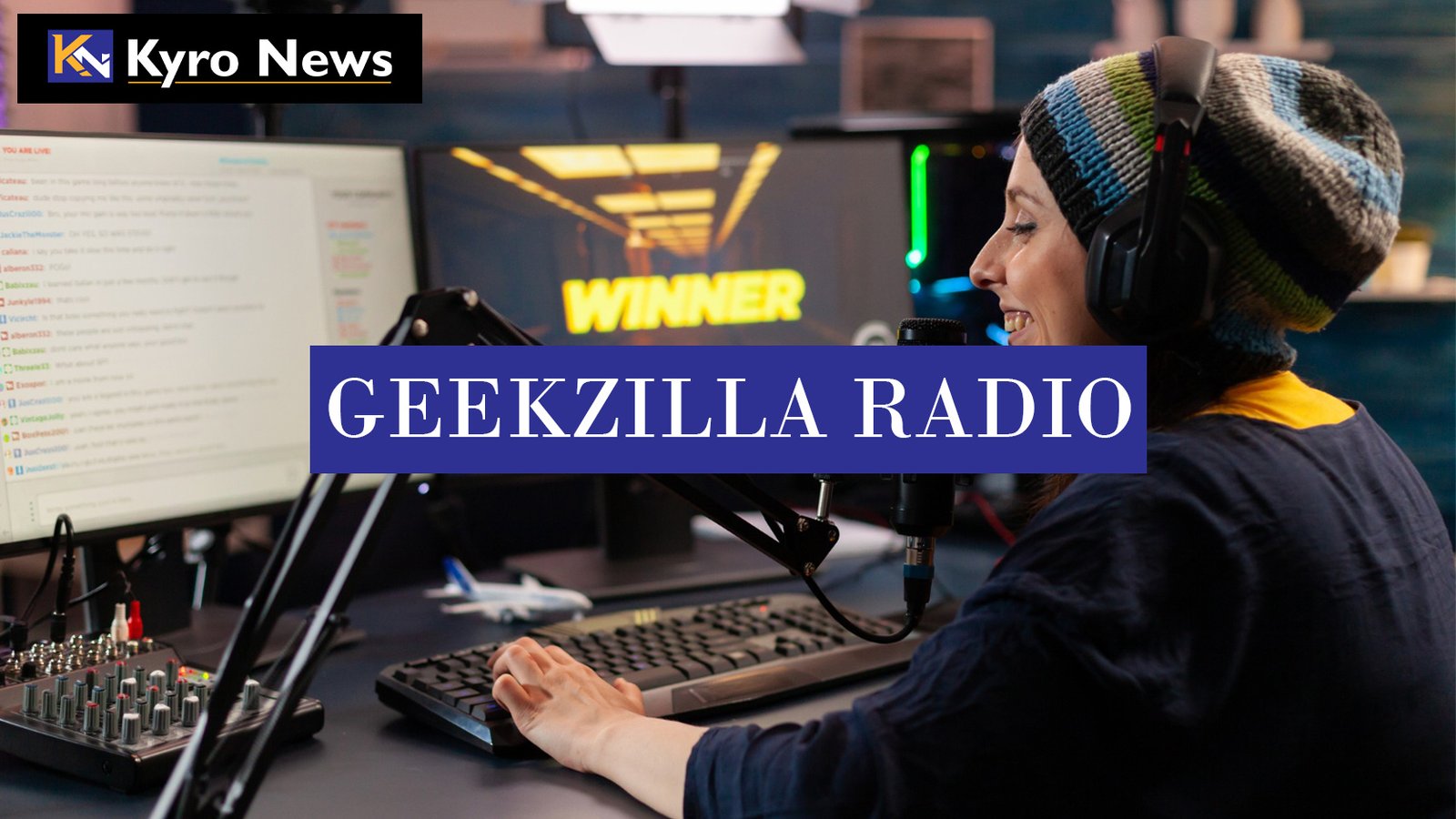
Geekzilla Radio describes itself as a digital broadcasting platform built around geek culture, going beyond a standard podcast format to include live streams and social media interaction alongside recorded episodes. Rather than functioning as a single show, it’s structured more like a network, with multiple named programs each covering a different corner of geek interests.
That broader framing matters for how the platform positions itself. A single podcast typically has one host, one format, and one release schedule. A broadcasting platform with multiple shows under one umbrella can cover far more ground, letting listeners follow the specific programs that match their interests, whether that’s gaming, film criticism, or tech commentary, without needing to sift through unrelated content to get there.
How Geekzilla Radio Is Structured
Based on how the platform describes its own lineup, content is organized across several named programs, each with its own focus area.
Gaming and Entertainment Coverage
Shows dedicated to gaming cover both new releases and older, retro titles, along with commentary on the broader gaming industry. This kind of coverage tends to appeal to listeners who want both current reviews and nostalgic deep dives into older games and consoles.
Movies and Pop Culture
Dedicated segments cover reviews of new film releases alongside broader pop culture discussion, positioning the platform as a source for entertainment commentary beyond just gaming.
Technology and Business
Programs focused on tech innovation and entrepreneurship round out the lineup, reflecting how closely geek culture and the tech industry tend to overlap in practice.
Niche and Underground Topics
Coverage of underground comics and other niche interests suggests the platform isn’t limiting itself strictly to mainstream franchises, leaving room for smaller, more specialized fandoms as well.
How to Listen to Geekzilla Radio
Geekzilla Radio is described as being distributed across multiple channels rather than being locked to a single platform. That includes the show’s own website, major podcast apps, and video platforms, giving listeners flexibility in how they access episodes depending on their preferred habits. Episodes are also described as downloadable for offline listening through standard podcast apps, which matters for anyone who wants to listen without relying on a constant internet connection, such as during a commute.
This kind of multi-platform distribution has become the norm across the podcasting industry more broadly, since listener habits vary widely: some people exclusively use one app, while others split their listening across several depending on the device they’re using at the time.
Community Features
Beyond the audio content itself, Geekzilla Radio is described as maintaining active community spaces, including a dedicated chat server where fans can discuss episodes and interact between releases. Contests and giveaways are also mentioned as part of the platform’s engagement strategy, which is a common approach among niche media brands trying to build a loyal audience rather than just a passive listener base.
Community features like these tend to matter more for niche content than they do for mainstream media. A dedicated fan base that actively discusses episodes and interacts with hosts directly tends to be stickier than one that just listens passively, and it gives smaller shows a way to build word-of-mouth growth without relying purely on algorithmic discovery.
How Geekzilla Radio Compares to a Traditional Podcast
The distinction between a single podcast and a broader broadcasting platform is worth spelling out. A traditional podcast usually has one consistent format, one host or hosting team, and a single release schedule listeners can set their expectations around. A platform structured like Geekzilla Radio, with multiple shows under one umbrella, functions more like a small radio network, where listeners might follow several different programs rather than just one.
The tradeoff is that a wider scope can come at the cost of depth in any single area, a common tension across broader geek culture media that tries to cover multiple fandoms under one roof rather than specializing narrowly. A dedicated gaming podcast that talks about nothing but games all day can go deeper on that specific topic than a segment that’s one part of a much broader lineup. Whether that tradeoff matters depends entirely on what a listener is looking for: someone who wants variety across geek culture might prefer the broader format, while someone who wants exhaustive coverage of one narrow topic might be better served by a more specialized show.
Why Niche Broadcasting Platforms Have Grown
The rise of platforms like Geekzilla Radio fits into a broader shift in how people consume audio content. Traditional radio was built around geography and broad appeal, since a single station had to serve an entire regional audience with limited airtime. Podcasting removed that constraint almost entirely, letting a show serve an audience defined by shared interest rather than location, no matter how narrow that interest might be. A show dedicated entirely to retro gaming, or one focused specifically on independent comics, can now find and sustain an audience in a way that would have been commercially difficult for a traditional broadcast station to justify.
That shift has made podcasting listenership grow substantially over the past decade, with weekly listening now a regular habit for a large share of adults, particularly younger listeners who increasingly favor on-demand audio over scheduled programming. A platform built around a specific cultural identity, like geek culture broadly defined, is well positioned to take advantage of that shift, since it can serve a passionate, engaged audience across several related interests rather than needing to appeal to the broadest possible listener base.
What Makes Geek Culture Programming Distinct
Geek culture, as a broadcasting focus, covers a genuinely wide range of interests, from gaming and comics to science fiction, technology, and increasingly, the business side of entertainment franchises. What ties these topics together isn’t a single subject but a shared audience mindset: a willingness to go deep on details that a general entertainment show might gloss over, whether that’s debating a plot decision in a franchise reboot or breaking down the technical specs of a new gaming console.
A platform serving that audience benefits from covering multiple angles within the same broad cultural space, since a listener drawn in by gaming coverage may well also be interested in related discussions about the movies, technology, or business stories connected to that same cultural world. That overlap is likely part of the reasoning behind structuring Geekzilla Radio around multiple themed shows rather than a single narrow format.
Production Quality and What to Expect
As with any platform built around multiple shows and contributors, production quality and tone can vary somewhat between individual programs, even under the same overall brand. Some shows may lean more heavily on scripted, researched content, while others may favor a looser, conversational format built around live reaction and audience interaction. Neither approach is inherently better, but they do create a noticeably different listening experience, so it’s worth sampling a few different shows within the platform rather than judging the whole network based on a single episode.
Is Geekzilla Radio Worth Checking Out?
For listeners who want a single destination covering multiple corners of geek culture rather than juggling several separate podcast subscriptions, a platform structured like Geekzilla Radio offers a reasonable amount of convenience. The multi-show format means there’s a decent chance at least one program lines up with whatever specific interest brought you there, whether that’s gaming, film, or tech.
As with any newer media platform, it’s worth sampling a few episodes across different shows before committing, since format, tone, and production quality can vary meaningfully between individual programs even under the same overall brand.
Getting Started: How to Choose Your First Episode
For a new listener trying to figure out where to start within a multi-show platform, a practical approach works better than trying to sample everything at once. Start with whichever individual show most closely matches your primary interest, whether that’s gaming, movies, or tech, rather than beginning with the platform’s general or flagship program if one exists. Listen to a full episode rather than judging based on the first few minutes alone, since many shows take a little time to settle into their rhythm, particularly ones built around live interaction or listener call-ins.
From there, branching out into the platform’s other shows becomes a more informed decision, since you’ll already have a sense of the production style and hosting approach that resonated with you. If one show’s tone and pacing worked well, there’s a reasonable chance the platform’s other programs share a similar overall sensibility, even while covering different subject matter.
Conclusion
Geekzilla Radio positions itself as more than a single podcast, structuring its content across multiple themed shows that span gaming, movies, technology, and niche geek interests, distributed across the platforms most listeners already use. That breadth gives it a wider potential audience than a narrowly focused single-topic show.
Whether it becomes a regular listen depends on how well its individual programs match your specific interests, so sampling a handful of episodes across different shows is the most practical way to judge whether the platform earns a spot in your regular rotation.
Frequently Asked Questions
What is Geekzilla Radio?
It’s a digital broadcasting platform focused on geek culture, combining podcast episodes, live streams, and social media interaction across multiple themed shows.
What topics does Geekzilla Radio cover?
Programming spans gaming, movies, technology, business, and niche interests like underground comics, organized across several distinct shows.
Where can I listen to Geekzilla Radio?
It’s described as being available through its own website, major podcast apps, video platforms, and social media channels.
Can I download episodes for offline listening?
Yes, episodes are described as downloadable through standard podcast apps for offline listening.
Does Geekzilla Radio have a community aspect?
Yes, it’s described as maintaining active fan community spaces along with contests and giveaways as part of its engagement strategy.
Is Geekzilla Radio a single show or a network?
It’s structured more like a network, with multiple named programs each covering a different area of geek culture rather than a single consistent format.
Is Geekzilla Radio good for someone new to podcasts?
Its broad, multi-show format makes it a reasonable entry point for listeners exploring geek culture podcasts generally, since it offers variety without requiring multiple separate subscriptions.