

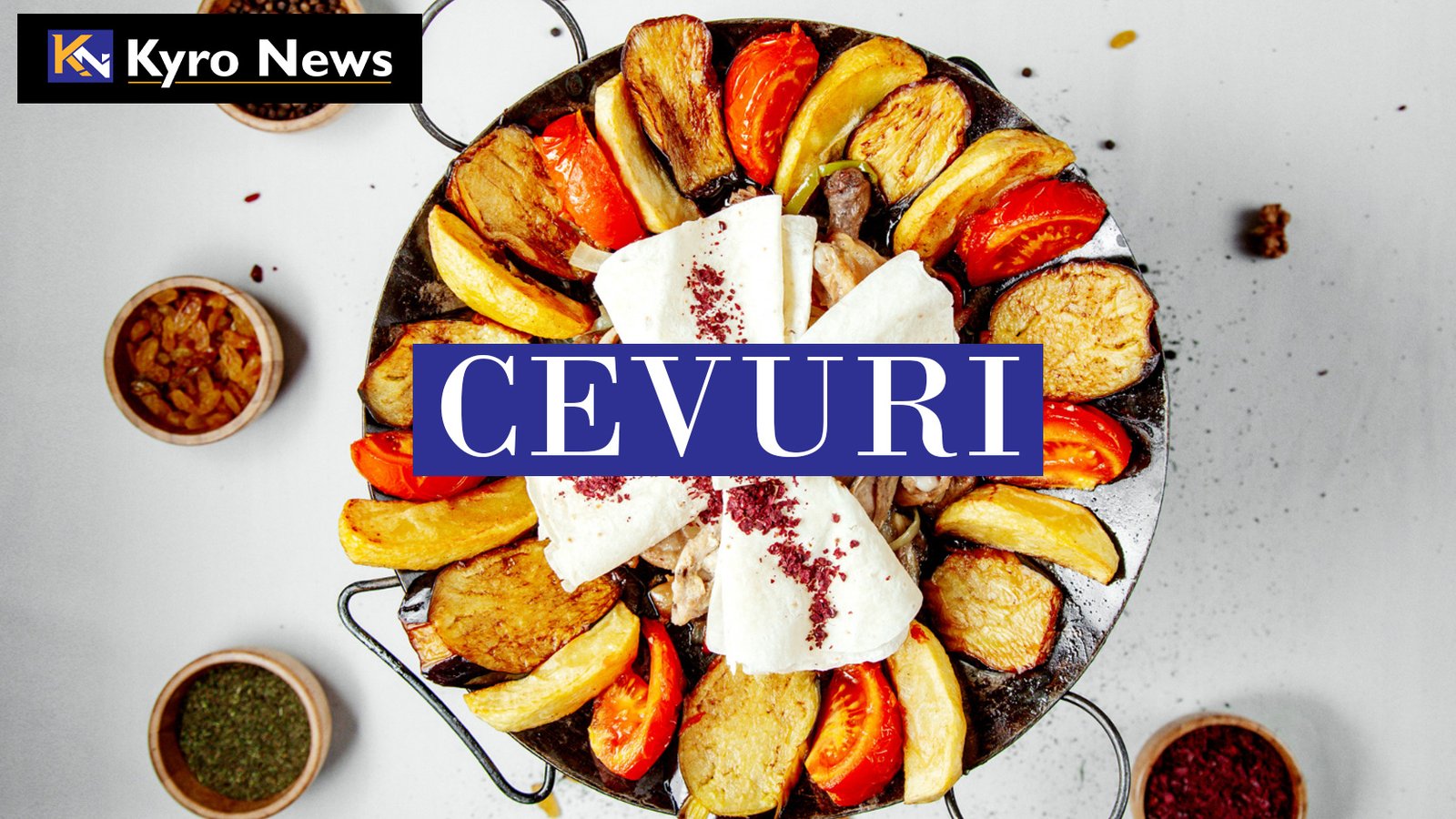
Search “Cevurı” and most of what you’ll find describes it as a traditional Turkish dish, rooted in ancient culinary heritage and slow-cooked preparation. That’s the majority framing, but it isn’t the only one. A smaller cluster of articles describes Cevurı instead as an abstract technological “framework” or a general spiritual “concept,” with no connection to food at all. And even among the food-focused articles, none of them can be tied to any actual, independently documented Turkish dish, region, or culinary tradition. This article walks through what’s actually being claimed, why the food framing doesn’t hold up under closer inspection despite being the most common one, and how this fits a broader pattern of fabricated culinary search terms.
Because there’s a real, well-documented Turkish culinary tradition of rotisserie and slow-cooked dishes to compare this against, this guide leans on that established context to evaluate the claims rather than treating every article as equally credible.


The Dominant Claim: A Traditional Turkish Dish
Most of the content using the word Cevurı frames it as a traditional Turkish dish, variously described as “ancient,” rooted in “slow-cooked culinary heritage,” and reflecting “patience and flavor.” Several articles present detailed-sounding preparation methods and claim cultural significance passed down through generations. On the surface, this reads like genuine food writing, using the vocabulary and structure that legitimate culinary history articles typically use.
The problem is what’s missing underneath that vocabulary. None of these articles names a specific Turkish region, province, or city associated with the dish. None references an identifiable historical text, a named chef or culinary historian, or a specific ingredient list that could be cross-checked against established Turkish cuisine reference material. And critically, “Cevurı” doesn’t correspond to any dish name documented in established, independently verifiable sources on Turkish cuisine, unlike genuinely real Turkish rotisserie dishes such as döner kebab or cağ kebabı, both of which are extensively documented with specific regional origins, preparation methods, and histories.
The Suspicious Pattern of Similar Invented Dish Names
Digging further reveals something particularly telling: Cevurı isn’t an isolated case. A very similarly spelled and similarly framed term, “Ceıvır,” appears in comparable articles making nearly identical claims, “traditional Turkish rotisserie dish,” “cultural heritage,” using the same general vocabulary pattern applied to a slightly different but visually and phonetically similar invented spelling. This strongly suggests a content production pattern generating multiple near-variant, Turkish-sounding dish names, rather than genuine coverage of one specific, real dish that happens to have alternate spellings, the way a genuinely real dish might have minor transliteration variants across different sources.
Real transliterated dish names from Turkish to English do vary somewhat, since Turkish uses letters like ç, ı, and ğ that don’t map perfectly onto English spelling conventions. But genuine variants of a real dish name are typically phonetically consistent with each other and reference the same specific, checkable dish across every source. Cevurı and Ceıvır don’t describe a shared, checkable dish so much as they each independently claim to be one, without any specific detail connecting them or confirming either as a genuinely documented culinary term.
What Real Turkish Rotisserie and Slow-Cooked Dishes Look Like
It’s useful to contrast Cevurı with dishes that are genuinely well documented in Turkish culinary tradition. Döner kebab, one of Turkey’s most internationally recognized culinary exports, has a specific, traceable history connected to 19th-century Ottoman Turkey, with documented regional variations and a clear preparation method involving meat cooked on a vertical rotating spit. Cağ kebabı, a related but distinct dish, has its own specific regional origin tied to Erzurum in eastern Turkey, with a documented horizontal rather than vertical rotisserie method that distinguishes it clearly from döner. Both of these real dishes are described consistently across independent, reputable food history sources, with specific, checkable regional and historical details that don’t shift depending on which article you happen to read.
None of that consistency or specificity exists for Cevurı. Every detail offered, region, historical period, specific ingredients, varies or is simply absent depending on which of the near-identical articles you check, which is precisely the opposite of how genuinely documented traditional dishes are typically covered.
The Unrelated Technology and Spiritual Framings
Beyond the food-focused content, a smaller set of articles uses Cevurı in entirely unrelated ways, describing it as a “quiet framework redefining how modern systems think” or as a broader spiritual or philosophical “concept” tied to modern relevance. Neither of these framings references the supposed Turkish culinary meaning at all, and neither provides the kind of specific, checkable detail, a named technology company, a specific philosophical tradition, a founding thinker, that would support treating either claim as a genuine, verifiable subject.
This is the same telltale inconsistency pattern that shows up with other fabricated search terms: multiple, mutually unrelated definitions circulating under one invented name, each written with enough confidence to sound plausible in isolation, but with no shared substance connecting them and no independent verification supporting any individual version.
Why This Pattern Specifically Targets Food Content
Fabricated culinary search terms are a particularly common category of this broader content pattern, for understandable reasons. Food content performs well in search generally, readers are genuinely curious about unfamiliar dishes, and a foreign-sounding word paired with words like “traditional,” “ancient,” and “hidden gem” creates an appealing, clickable framing regardless of whether any real dish actually exists behind it. Because most readers researching an unfamiliar dish name don’t have deep, specialized knowledge of regional Turkish cuisine to immediately recognize an invented term, food-focused fabricated content can circulate for a while before enough readers with genuine culinary expertise notice the inconsistencies, comparable to how travel and wellness content covers similarly susceptible territory for the same underlying reasons.
What a Genuine Regional Turkish Dish Entry Usually Includes
It helps to be specific about what a genuinely documented regional Turkish dish entry typically contains, since holding Cevurı up against that standard makes the gap especially clear. A real entry usually names a specific city, province, or ethnic community associated with the dish’s origin, references at least one historical or ethnographic source discussing it, and describes a preparation method specific enough that a reader could actually attempt to recreate it with confidence about what makes it distinct from similar dishes. It often also addresses regional variations honestly, noting where and how the dish differs across neighboring areas rather than presenting a single, uniform description as though the entire country prepared it identically. Cevurı’s coverage provides none of this: no named region, no historical citation, and preparation descriptions vague enough that they could plausibly apply to dozens of different slow-cooked or rotisserie dishes rather than one specific, identifiable recipe.
Why Culinary Heritage Documentation Matters
Getting the origins of a dish right matters for reasons beyond simple curiosity or accuracy. Genuine regional cuisines represent real, specific cultural and historical practices developed by real communities over long periods, and organizations like UNESCO’s Intangible Cultural Heritage program exist specifically to recognize and document exactly this kind of culinary tradition when it can be verified. Attaching invented, ungrounded claims to a fake dish name doesn’t just mislead individual readers curious about food, it also dilutes the broader pool of food-related search results with content that provides no genuine cultural documentation, making it comparatively harder for readers to find and trust real, well-documented culinary history when they’re specifically looking for it.
What to Do if You Found a “Cevurı” Recipe You Want to Try
If a specific recipe claiming to be Cevurı genuinely appeals to you regardless of its questionable origin claims, that’s not necessarily a reason to avoid cooking it, plenty of genuinely delicious dishes get invented or adapted without a documented ancestral lineage attached. The more useful shift is simply in how the dish gets described and framed once you know its origin story doesn’t hold up: treating it as a home cook’s adaptation or a fusion-style creation loosely inspired by Turkish rotisserie techniques, rather than repeating unverified claims about ancient heritage or a specific regional tradition that the available evidence doesn’t actually support. That distinction matters most if you’d be sharing the recipe further, since passing along fabricated cultural claims alongside an otherwise perfectly fine recipe just perpetuates the same misinformation pattern this article has been examining.
How to Check Whether an Unfamiliar Dish Name Is Real
If you come across an unfamiliar dish name and want to determine whether it’s genuinely traditional or fabricated, a few checks help. Search for the specific dish name alongside a narrowing regional term, “Cevurı Anatolia,” “Cevurı Istanbul recipe,” and see whether a consistent, specific answer emerges or whether results stay vague regardless of how the search is narrowed. Cross-reference the dish against established, specialized food history resources rather than general content sites, since genuine regional dishes are typically documented by food historians and specialized culinary reference sources with citable expertise. And treat multiple near-identical spelling variants making the same vague claims, as with Cevurı and Ceıvır, as a stronger warning sign than a single unfamiliar article on its own.
Conclusion
Cevurı lacks the specific, checkable detail that genuinely documented Turkish dishes like döner kebab and cağ kebabı consistently provide, and its coverage splits further into entirely unrelated technology and spiritual framings that share nothing but the name. The pattern here, vague culinary claims paired with a near-identical invented variant spelling, points clearly toward fabricated content rather than a genuinely obscure but real dish.
Anyone interested in authentic Turkish rotisserie or slow-cooked cuisine is better served researching well-documented dishes directly under their established names, rather than a term whose culinary claims don’t survive comparison with genuinely verified Turkish culinary history.
Frequently Asked Questions
What is Cevurı?
There’s no reliably documented answer. Most content frames it as a traditional Turkish dish, but none of these claims are independently verifiable, and a smaller set of unrelated articles describe it as a technology framework or spiritual concept instead.
Is Cevurı a real Turkish dish?
No specific region, historical source, or verifiable culinary reference confirms it as a genuine, documented dish, unlike well-established Turkish dishes such as döner kebab or cağ kebabı.
Why does a similar term, Ceıvır, also exist?
The near-identical spelling and framing across both terms suggests a pattern of content generating multiple similar-sounding, Turkish-styled invented dish names rather than genuine coverage of one real, documented dish.
What are genuinely real Turkish rotisserie dishes?
Döner kebab and cağ kebabı are both well-documented, with specific regional origins, historical context, and consistent preparation methods described across independent, reputable culinary sources.
Why do some articles describe Cevurı as unrelated to food entirely?
This inconsistency, unrelated technology and spiritual framings alongside the food claims, is a strong indicator of a fabricated term with no real, verifiable referent behind any version.
Should I try to cook a “Cevurı” recipe I find online?
Approach any specific recipe claiming to be an “authentic” or “traditional” Cevurı dish with skepticism, since no verifiable culinary source confirms it as a genuine traditional dish.
How can I verify whether an unfamiliar dish name is authentic?
Check specialized food history resources rather than general content sites, look for a specific, consistent regional origin, and treat multiple similarly vague spelling variants as a warning sign.