
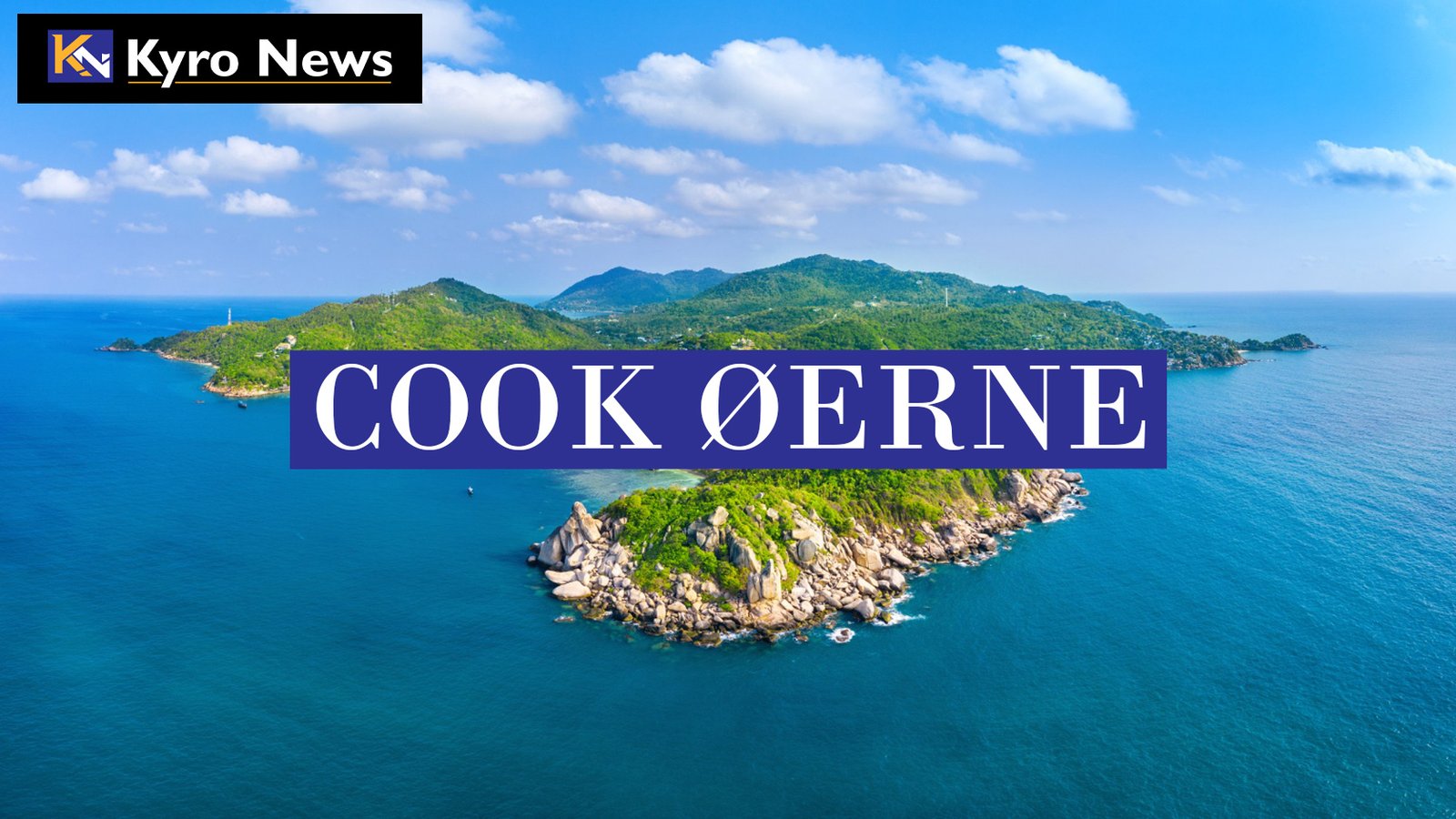
Cook Øerne is simply the Danish-language name for the Cook Islands, a real, self-governing island nation in the South Pacific in free association with New Zealand. “Øerne” is the Danish word meaning “the islands,” so “Cook Øerne” translates directly as “the Cook Islands,” documented across Danish encyclopedias, travel agencies, and standard geographic reference resources. This article covers what the Cook Islands actually are, why the Danish name appears the way it does, and what practical information travel-focused Danish content typically covers about the destination.
Because Cook Øerne is a straightforward translation of a well-documented, real place rather than an ambiguous or fabricated term, this guide treats its meaning as fully established.


What the Cook Islands Actually Are
The Cook Islands are a real country consisting of 15 islands spread across the South Pacific Ocean, in free association with New Zealand, meaning the islands are self-governing with their own government and legislature while maintaining a formal constitutional relationship with New Zealand, including shared citizenship for Cook Islanders. The nation’s capital and largest population center is Avarua, located on the island of Rarotonga, which also serves as the primary gateway for international visitors. This is a well-documented, verifiable nation with its own government, currency arrangements, and distinct Polynesian culture, extensively covered across geographic, historical, and travel reference resources in many languages, including the Danish-language coverage reflected in “Cook Øerne” search results.
Why the Name Appears in Danish the Way It Does
Denmark, like many countries, generally translates or adapts foreign place names into Danish-language forms rather than using the English name unchanged, a common and standard practice across many languages for well-known international place names. “Øerne” directly translates to “the islands” in Danish, making “Cook Øerne” a transparent, literal translation of “the Cook Islands” rather than a distinct name with any different meaning or reference. This naming pattern is consistent with how Danish handles many other international island nations and archipelagos, and reflects standard, well-established Danish geographic and cartographic convention rather than anything specific or unusual about this particular nation’s name.
Why Danish Coverage of the Cook Islands Focuses Heavily on Travel
Much of the Danish-language content specifically covering Cook Øerne comes from travel agencies and tourism-focused sources, reflecting the Cook Islands’ genuine, well-established reputation as a South Pacific tourist destination known for its beaches, lagoons, and Polynesian cultural heritage. Danish travel agencies offering trips to the Cook Islands typically market the destination around its natural scenery and relatively secluded, less heavily touristed character compared to some other South Pacific destinations, appealing specifically to travelers seeking a quieter, more nature-focused Pacific island experience. This connects to the Cook Islands’ broader, well-documented role within South Pacific tourism, an important part of the nation’s economy alongside other sectors like agriculture and offshore financial services.
The Cook Islands’ Political and Historical Background
The Cook Islands’ specific constitutional relationship reflects the broader, well-documented history of decolonization in the Pacific, during which various Pacific island territories negotiated different paths toward self-governance or full independence from their respective colonial administrators over the mid-to-late 20th century.
Understanding the Cook Islands’ specific political status helps clarify what “free association with New Zealand” actually means in practice, since this arrangement is distinct from both full independence and being a formal territory or colony. The Cook Islands gained this self-governing status in 1965, following a history of British and then New Zealand colonial administration, and the arrangement allows the islands full control over domestic governance and increasingly over international relations, while New Zealand continues to handle certain shared responsibilities and Cook Islanders retain New Zealand citizenship. This specific constitutional arrangement is relatively unusual internationally and reflects a particular negotiated outcome from the Pacific decolonization era, distinct from how most other former colonial territories transitioned to full independence.
Cook Islands Culture and Language
The Cook Islands maintain a distinct Polynesian culture and language, Cook Islands Māori, related to but distinct from the Māori language of New Zealand, reflecting the islands’ own specific Polynesian settlement history and cultural development. Traditional culture remains a genuinely significant part of contemporary Cook Islands life, reflected in traditional dance, music, and craft practices that also feature prominently in the islands’ tourism industry, giving visitors access to authentic cultural experiences alongside the natural scenery that draws much of the international visitor interest, including from Danish travelers specifically.
Practical Considerations for Danish Travelers
For Danish travelers specifically considering a trip to Cook Øerne, practical planning considerations typically covered by Danish travel agencies include the long travel distance and typical routing, usually connecting through larger hub airports given the Cook Islands’ remote South Pacific location, the islands’ currency arrangement, which uses the New Zealand dollar alongside a locally circulated Cook Islands dollar, and the tropical climate, which shapes both the ideal timing for a visit and practical packing considerations. Given the significant travel distance and cost involved in reaching this specific destination from Denmark, most Danish travel content frames a Cook Islands trip as a substantial, once-in-a-while journey rather than a casual getaway, consistent with how the destination is generally marketed to European travelers more broadly.
The Cook Islands’ Economy Beyond Tourism
While tourism is genuinely central to the Cook Islands economy and to why the destination features so prominently in Danish and other international travel content, it’s worth understanding the broader economic picture for a fuller sense of the nation. Agriculture, particularly the cultivation of tropical fruits and the export of products like Cook Islands-grown pearls from the islands’ lagoons, represents another significant economic sector, alongside a smaller but notable offshore financial services industry that developed during the late 20th century. This broader economic base reflects a small island nation navigating the practical challenges common to many small Pacific states, geographic remoteness, a limited domestic market, and vulnerability to external economic shocks, while working to diversify beyond reliance on any single sector.
How the Islands Are Geographically Organized
The Cook Islands’ 15 islands are typically divided geographically into two main groups: the Southern Cook Islands, which includes Rarotonga and most of the nation’s population and tourism infrastructure, and the Northern Cook Islands, a more remote, sparsely populated group of atolls considerably further from Rarotonga and less frequently visited by international tourists. This geographic division matters practically for anyone planning a visit, since the vast majority of tourism infrastructure, flights, accommodations, and organized activities, is concentrated in the Southern group, particularly Rarotonga and the nearby island of Aitutaki, while reaching the Northern group typically requires considerably more specialized planning and local logistics.
Conclusion
Cook Øerne is simply the Danish name for the Cook Islands, a real, self-governing South Pacific nation in free association with New Zealand, known for its Polynesian culture, natural scenery, and role as a tourist destination. The name itself is a straightforward, literal Danish translation, “øerne” meaning “the islands,” reflecting standard Danish geographic naming convention rather than anything distinct from the English name.
Anyone encountering Cook Øerne in Danish-language content can treat it with full confidence as referring to the genuine, well-documented Cook Islands, and Danish travel-focused coverage of the destination generally provides a reasonable starting point for practical trip planning, alongside official Cook Islands tourism resources for the most current and detailed information.
Best Time of Year to Visit
Danish travel agencies covering the Cook Islands typically emphasize the destination’s dry season, roughly spanning the Southern Hemisphere’s winter months, as the most favorable window for a visit, offering more reliably sunny, less humid conditions compared to the wetter, more storm-prone months. Given the significant flight time and cost involved for European travelers, timing a visit to align with this more favorable weather window is a commonly emphasized piece of practical planning advice, helping ensure the substantial investment of time and money required to reach this remote South Pacific destination coincides with the best possible on-the-ground experience.
How the Cook Islands Compare to Other South Pacific Destinations
For Danish and other European travelers weighing the Cook Islands against other South Pacific destinations like Fiji, French Polynesia, or Samoa, it’s worth understanding what tends to distinguish the Cook Islands specifically within this broader regional comparison. Travel-focused coverage generally frames the Cook Islands as offering a smaller-scale, less internationally developed alternative to more heavily marketed destinations like Tahiti, with a correspondingly more intimate, community-oriented visitor experience and generally lower overall visitor volume, appealing specifically to travelers prioritizing a quieter, less crowded South Pacific experience over the broader range of luxury resort options and organized activities found in some neighboring island nations.
Visa and Entry Considerations for Danish Citizens
For Danish citizens specifically planning a Cook Islands visit, entry requirements generally follow the pattern common to many South Pacific destinations for European visitors on typical tourist visits, though specific visa policies, permitted stay durations, and any required documentation can change over time and should always be confirmed directly through official Cook Islands government immigration resources or a current travel agency rather than relying on general background information, since entry policy details are exactly the kind of specific, time-sensitive fact that benefits most from checking an authoritative, current source immediately before travel.
Frequently Asked Questions
What does Cook Øerne mean? It’s simply the Danish name for the Cook Islands; “øerne” means “the islands” in Danish, making it a direct, literal translation.
Are the Cook Islands a real country? Yes, they’re a real, self-governing nation of 15 islands in the South Pacific, in free association with New Zealand.
What is the capital of the Cook Islands? Avarua, located on the island of Rarotonga, which also serves as the main gateway for international visitors.
What language do Cook Islanders speak? Cook Islands Māori, a distinct Polynesian language related to but different from New Zealand Māori, alongside English.
What currency is used in the Cook Islands? The New Zealand dollar is used alongside a locally circulated Cook Islands dollar.
Why does Danish travel content focus so heavily on the Cook Islands as a destination? The islands have a well-established international reputation for beaches, lagoons, and Polynesian culture, making them a genuine South Pacific tourism destination covered by travel agencies globally, including in Denmark.
What does “free association with New Zealand” mean for the Cook Islands? It means the islands are self-governing with their own government while maintaining a formal constitutional relationship with New Zealand, including shared citizenship for Cook Islanders.
Primary Keyword: Cook Øerne
Secondary Keywords: Cook Islands Danish name, Cook Islands rejser, South Pacific island nation, Cook Islands travel guide
SEO Title: What Is Cook Øerne? The Danish Name for the Cook Islands
Meta Description: Learn what Cook Øerne means, the real South Pacific nation it refers to, and what Danish travelers should know before visiting.