

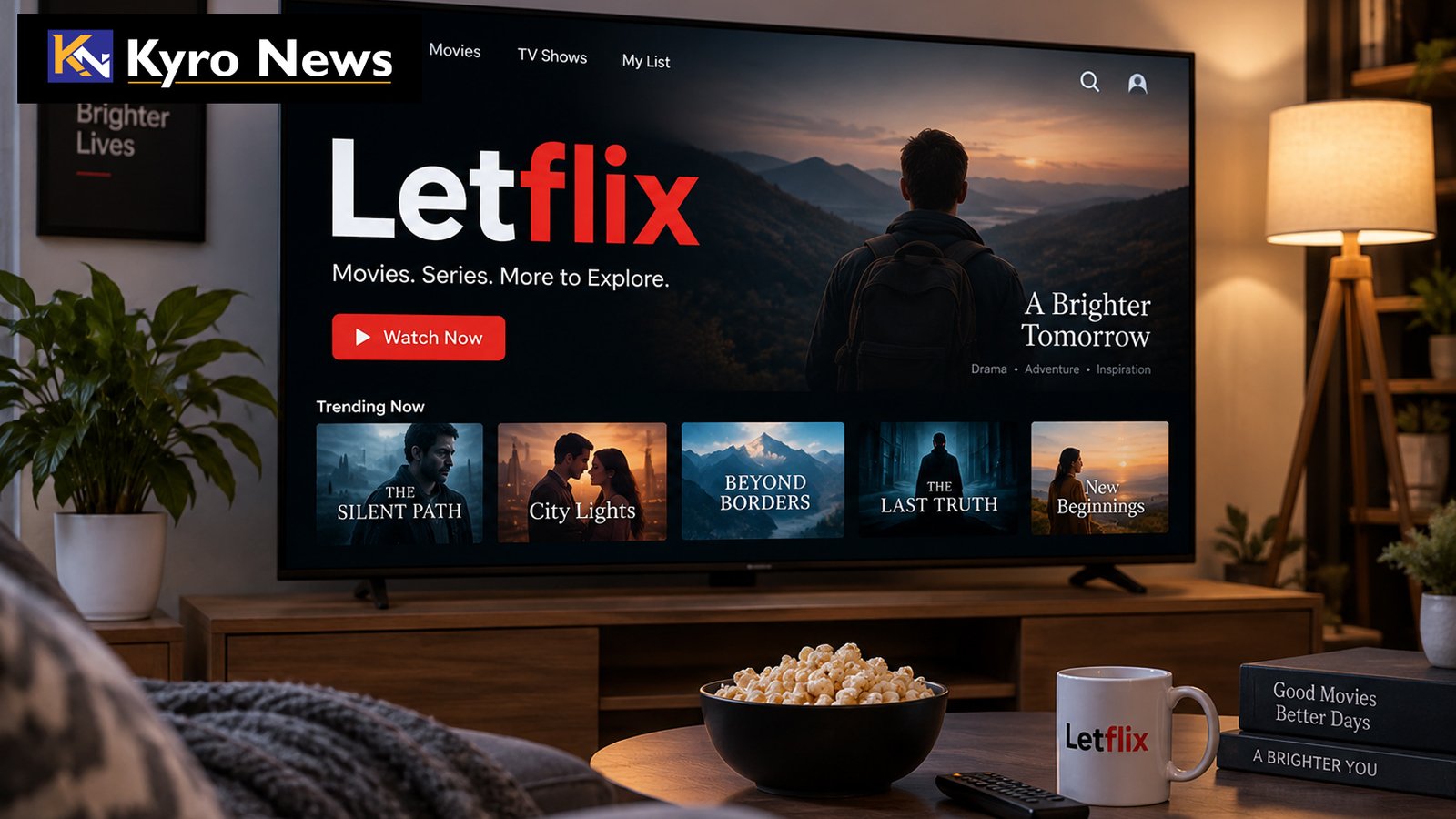
Letflix is a real, currently operating platform offering free movie and TV show streaming, but its name is a deliberate echo of Netflix, and independent reviews are consistent in describing it as an unauthorized service operating without proper distribution rights for the content it streams. This article covers what Letflix actually offers, why its free, no-signup model carries real legal and security risk, and what legitimate alternatives exist for viewers who want reliable, properly licensed streaming.
Because unauthorized streaming platforms carry genuine copyright and safety concerns, this guide focuses on giving an accurate, balanced picture rather than treating free access as a straightforward, risk-free benefit.


What Letflix Actually Offers
Letflix presents itself as a free streaming platform providing access to movies and TV shows in HD and 4K quality, with no signup or account creation required, positioning itself as a convenient, no-cost alternative to paid subscription services. The platform operates across several different domain variations and mirror sites, a common pattern for unauthorized streaming operations that helps them stay accessible even when individual domains face takedown requests or blocking efforts.
The Legal Reality Behind Letflix’s Free Model
Independent reviews of Letflix are direct about its legal standing: the platform does not own distribution rights for the movies and TV shows it provides, meaning the content is streamed without the authorization of the studios, networks, or rights holders who actually control its distribution. Reviews describe this as placing Letflix in a “legal gray area,” though the underlying reality is more straightforward than that phrase suggests, streaming copyrighted content without a proper licensing agreement generally constitutes copyright infringement, regardless of whether the platform charges users money for access.
The specific legal exposure for individual viewers varies by jurisdiction, some countries focus enforcement efforts primarily on platform operators rather than individual users, while others hold viewers more directly responsible for accessing unauthorized content. This jurisdictional variation doesn’t change the underlying legal fact that the content itself is being distributed without proper authorization, which is the actual source of the legal risk regardless of how strictly any particular country happens to enforce it against individual viewers.
The Safety Risks of Using Letflix
Beyond the legal dimension, independent reviews consistently flag real security concerns tied to how Letflix and similar unauthorized platforms typically generate revenue. Without licensing fees or legitimate subscription income, these platforms tend to rely heavily on advertising, including the kind of aggressive pop-ups and redirects that reviews specifically warn may expose users to malware or unsafe links, alongside genuine phishing risks through suspicious advertisements designed to look legitimate. Reviews also note a lack of transparency about the platform’s overall security practices, and while Letflix’s no-registration model does reduce the risk of a data breach exposing personal account information, that same lack of accountability is itself flagged as a broader security concern, since there’s no verifiable operator standing behind the platform’s practices.
Content reliability is also inconsistent, reviews note that streaming quality can vary due to the platform’s dependence on unreliable third-party hosting sources, since, unlike a licensed service with direct, contracted access to studio content, Letflix has to source its streams through channels that aren’t guaranteed to remain stable or consistently available.
Why Sites Like Letflix Deliberately Echo Established Brand Names
It’s worth understanding why an unauthorized streaming platform would choose a name so deliberately similar to Netflix, one of the most recognizable legitimate streaming brands in the world. This naming strategy is a recognizable pattern across the unauthorized streaming ecosystem: borrowing the phonetic structure or visual similarity of an established, trusted brand name helps a new, unverified platform seem more familiar and trustworthy to a casual visitor, and can also capture search traffic from users who misremember or mistype the name of the legitimate service they actually intended to find. This is a deliberate design choice rather than coincidence, and recognizing it is itself a useful signal, a platform name that closely mimics a major legitimate brand without being formally affiliated with it warrants more scrutiny, not less.
How to Recognize This Pattern Across Other “Free Streaming” Sites
Letflix is far from a unique case, and the same underlying pattern shows up repeatedly across a large ecosystem of similarly structured free streaming platforms. A consistent set of warning signs tends to recur across these sites: a name that closely echoes or mimics an established, legitimate streaming brand, no clear disclosure of a licensing relationship with studios or distributors, heavy reliance on intrusive advertising rather than subscription revenue, and a presence across multiple, frequently changing mirror domains. Recognizing this cluster of characteristics as a pattern, rather than evaluating each new site individually from scratch, makes it considerably faster to identify an unauthorized platform the next time a similarly structured “free HD streaming, no signup required” site turns up in search results.
The Legal Framework Behind Streaming Copyright
Understanding why this matters requires understanding the basic legal mechanism at stake. Movie and television studios hold copyright over their productions and license specific distribution rights to streaming platforms in exchange for substantial licensing fees, an arrangement that funds the actual production of the content in the first place. When a platform streams that same content without securing those distribution rights, it’s directly infringing on the studio’s exclusive right to control how and where its work is distributed, a right protected under copyright law in most jurisdictions worldwide. This isn’t a technicality, it’s the same basic legal principle that allows creative industries to fund new productions in the first place, since licensing revenue from legitimate platforms is a major source of the financing that makes new movies and shows possible.
Why Multiple Domains and Mirror Sites Are a Red Flag Worth Understanding
Letflix’s presence across numerous different domain extensions and mirror sites is itself worth flagging as a pattern specific to unauthorized platforms. Legitimate streaming services generally operate from a single, stable, well-known domain, since they have no need to evade blocking or takedown efforts. Unauthorized platforms, by contrast, frequently maintain multiple mirror domains specifically because individual domains regularly face copyright takedown notices, ISP-level blocking in certain countries, or other enforcement action, and having several active alternatives helps the platform remain accessible to users even as individual domains go dark. Recognizing this pattern, many nearly identical domains hosting the same content, is a practical way to identify an unauthorized platform even before checking any specific licensing claims.
What This Means for Content Creators and the Wider Industry
It’s worth understanding the broader financial impact of unauthorized streaming beyond the individual legal risk to viewers. The film and television industry relies heavily on licensing revenue from legitimate streaming deals to fund new productions, and widespread unauthorized access directly reduces the revenue available for that purpose. Industry trade groups tracking the impact of digital piracy on media revenue have consistently documented substantial financial losses tied to unauthorized streaming specifically, losses that ultimately affect everyone from major studios down to individual actors, writers, and crew members whose income depends on productions being commercially viable in the first place.
Legitimate Alternatives to Letflix
For viewers who want reliable, legal access to movies and TV shows without the security risks associated with unauthorized platforms, numerous legitimate streaming services exist, holding actual licensing agreements with studios and networks, providing stable, consistent streaming quality, and channeling subscription revenue back to the creators and productions responsible for the content in the first place. While these services require a subscription fee that a platform like Letflix avoids, that cost reflects the real value of the licensing agreements that make legal, reliable, high-quality streaming possible, along with directly supporting the industry that produces the content being watched.
Conclusion
Letflix is a real, currently operating streaming platform, but independent reviews consistently describe it as unauthorized, lacking proper distribution rights for the content it streams, which places it squarely within copyright infringement regardless of the “legal gray area” framing some reviews use. Its reliance on aggressive advertising and its presence across numerous mirror domains are both consistent with the broader pattern seen across unauthorized streaming operations.
Viewers interested in movies and TV shows are better served choosing a legitimate, licensed streaming service, which offers reliable access and consistent quality without the legal uncertainty and security risks that come with platforms like Letflix, while ensuring that subscription revenue actually supports the industry producing the content being watched.
Why Free Trials on Legitimate Services Are a Better Middle Ground
For viewers weighing the appeal of a completely free option like Letflix against the cost of a legitimate subscription, it’s worth knowing that many licensed streaming services offer free trial periods, allowing genuinely legal, secure access for a limited time without any upfront cost. This provides a meaningfully different middle ground than either paying immediately or relying on an unauthorized platform: a way to sample legitimate service quality and catalog breadth without financial commitment, while still operating entirely within a properly licensed framework that doesn’t carry the legal and security risks documented throughout this article. Rotating between different legitimate services’ trial periods, or subscribing selectively based on which specific titles or events are of interest at a given time, is a genuinely practical strategy some viewers use to manage streaming costs without resorting to unauthorized platforms.
What to Do if You’ve Already Used Letflix
If you’ve already visited Letflix or a similar unauthorized streaming platform, a few practical steps are worth taking regardless of whether you continue using it. Running a reputable anti-malware scan is a reasonable precaution given the elevated risk of exposure to malicious ads and deceptive redirects documented across independent reviews. Reviewing any browser permissions or extensions you may have granted while navigating aggressive pop-up prompts is also worth doing, since some unauthorized streaming sites specifically attempt to trick visitors into granting notification permissions or installing browser add-ons later exploited for further unwanted advertising. None of this is meant to be alarmist, but the elevated risk profile consistently documented for platforms operating this way makes basic device hygiene a sensible precaution rather than an overreaction.
Frequently Asked Questions
Is Letflix legal?
No, independent reviews describe it as operating without proper distribution rights for its content, which generally constitutes copyright infringement, though specific legal risk to individual viewers varies by jurisdiction.
Is it safe to use Letflix?
Reviews flag real safety concerns, including aggressive pop-up advertising, potential phishing risks, and malware exposure tied to the platform’s reliance on ad-heavy revenue in the absence of legitimate licensing income.
Why does Letflix’s name sound so similar to Netflix?
This appears to be a deliberate naming strategy common among unauthorized streaming platforms, borrowing recognition from an established legitimate brand to seem more familiar and trustworthy, and to capture misdirected search traffic.
Why does Letflix operate across so many different domains?
Multiple mirror domains are a common tactic among unauthorized streaming platforms to remain accessible despite individual domains facing takedown notices or blocking efforts.
What are legitimate alternatives to Letflix?
Established, licensed streaming services with real distribution agreements offer reliable, secure access, typically through a subscription that reflects the actual cost of those licensing arrangements.
Does using Letflix actually harm the film and TV industry?
Yes, unauthorized streaming bypasses the licensing revenue that funds new productions, directly affecting the industry’s ability to finance the content viewers ultimately want to watch.
How can I tell if a streaming site is operating legally?
Look for a single, stable domain rather than numerous mirrors, explicit licensing disclosures, and the absence of aggressive, unregulated advertising, all of which tend to distinguish legitimate platforms from unauthorized ones.