

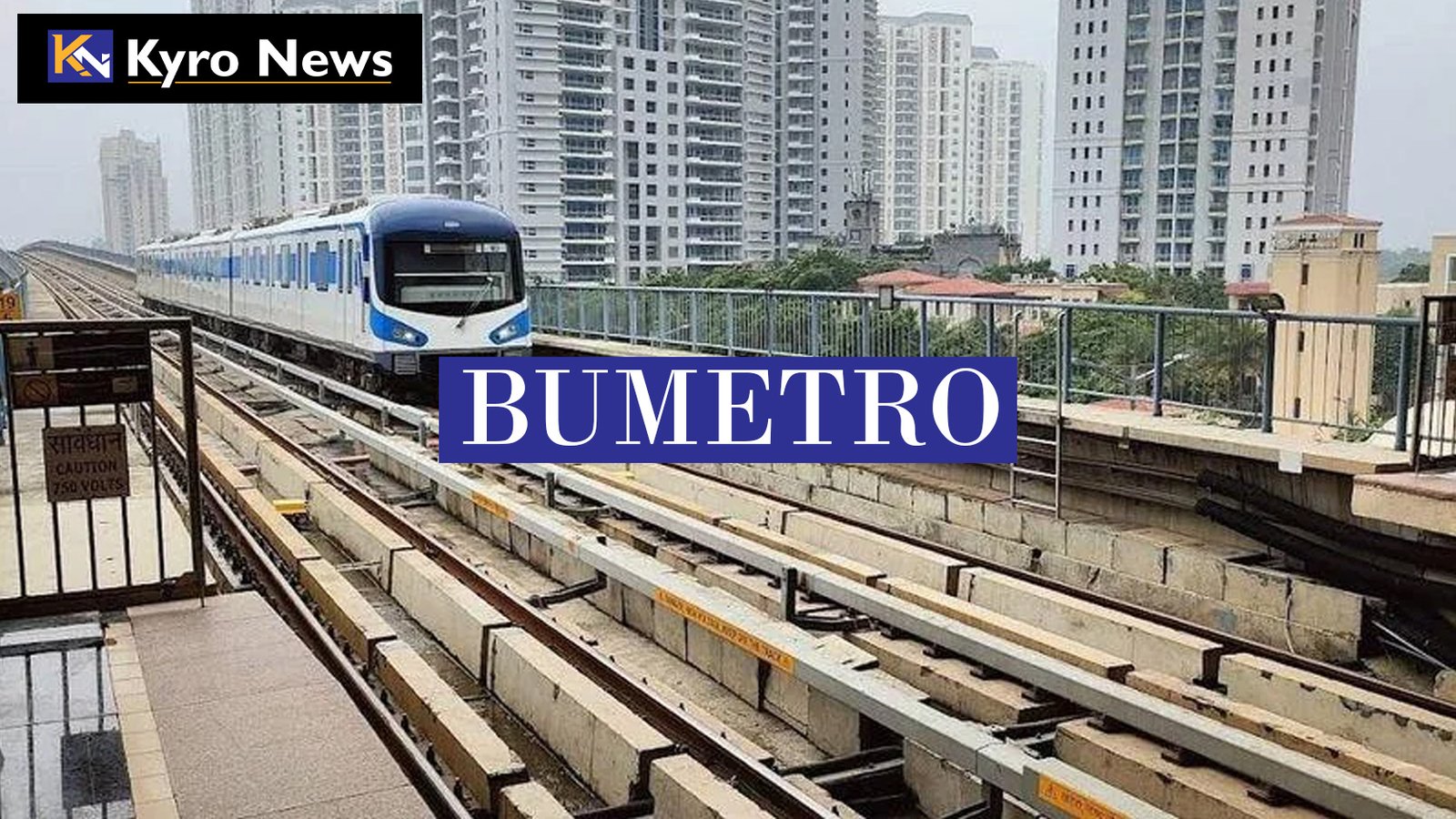
Getting across a city often means combining more than one type of transportation: a bus to a train station, a shared bike for the last stretch, maybe a rideshare when the timing doesn’t line up. Juggling separate apps for each of those pieces is exactly the friction that Mobility as a Service platforms are designed to remove, and Bumetro is one of the names that has come up in that category, described as a platform that brings multiple transportation options together into a single digital experience. This article covers what Bumetro is described as, how it’s meant to work, and where it fits within the broader mobility technology landscape.
Documentation on Bumetro specifically is limited compared to more established players in the mobility space, so this guide focuses on how it’s consistently described while grounding the underlying concept in the well-established Mobility as a Service category it belongs to.


The Problem With Fragmented Transit Apps
Before looking at Bumetro specifically, it helps to understand the exact problem this category of platform is trying to solve. Most cities of any real size offer multiple transportation options: public buses, a metro or subway system, regional rail, bike-share docks, scooter rentals, and ride-hailing services, often run by entirely separate operators, sometimes public, sometimes private, each with its own app, its own account system, and its own payment method. A commuter trying to combine two of these, say a train for the long stretch of a commute and a shared bike for the last kilometer, has traditionally had to check schedules in one app, availability in another, and figure out the connection between them manually, with no single source confirming whether the timing actually works.
This fragmentation isn’t just inconvenient, it’s a real barrier to people choosing public and shared transportation over driving. A trip that requires juggling three separate apps, each with its own login and payment method, is a meaningfully higher-friction choice than simply getting in a car, even when the underlying transportation options would be faster, cheaper, or more environmentally friendly if properly coordinated. Platforms built to solve exactly this problem, unifying planning, and ideally payment, across multiple providers, are the direct response to that friction.
What Is Bumetro?
Bumetro is described as a smart transportation platform that combines multiple travel options into one digital ecosystem, rather than operating its own buses, trains, or bikes directly. Structurally, it’s positioned as a Mobility as a Service platform, meaning it connects and aggregates existing transportation providers into a single planning and booking interface, rather than being a transportation provider itself.
That distinction matters for understanding what a platform like this actually does. Bumetro isn’t described as running its own fleet of vehicles. It’s described as sitting on top of existing transportation networks, buses, trains, bike shares, and ride-sharing services, and presenting them together in a way that lets a user plan a single trip across multiple modes of transport without needing separate apps for each one.
How Bumetro Is Described as Working
Unified Trip Planning
Rather than requiring a rider to separately check bus schedules, train times, and bike availability, Bumetro is described as combining these into unified journey plans, letting a user see a full route from start to finish across whatever combination of transport modes makes the most sense for that specific trip.
Multi-Modal Coverage
The platform is described as supporting a wide range of transportation types: city buses, regional buses, metro and local train systems, high-speed rail, shared bicycles and electric bikes, scooter sharing, ride-sharing, and carpooling. That breadth is characteristic of mobility as a service platforms generally, which aim to cover as many transportation options as possible within a single interface rather than specializing in just one mode.
Smart Route Recommendations
Route suggestions are described as factoring in cost, speed, number of transfers, walking distance, and environmental impact, letting a user prioritize whichever factor matters most for a given trip, whether that’s arriving as quickly as possible or minimizing cost.
Real-Time Updates
When provider data is available, the platform is described as offering live arrival times, traffic conditions, and service interruption alerts, which matters significantly for multi-modal trips, since a delay on one leg of a journey can affect whether a connecting service is still realistically reachable.
Integrated Ticketing
A described goal of the platform is consolidating ticket purchases across different providers into a single transaction, removing the need to buy separate tickets or passes for each individual leg of a multi-modal trip.
The Basic User Flow
Based on how Bumetro is described, using the platform generally follows a straightforward sequence: entering a starting point and destination, comparing the route options the platform generates across different combinations of transportation modes, reviewing real-time information where it’s available, selecting a preferred route based on personal priorities like speed or cost, and then following the platform’s guidance through each leg of the actual journey.
Why Mobility as a Service Has Grown
Bumetro’s described approach fits into a broader, well-established shift in urban transportation technology. Mobility as a Service, often abbreviated MaaS, emerged as a response to a genuine problem: cities offer more transportation options than ever, but those options are often fragmented across separate apps, ticketing systems, and providers that don’t communicate with each other. A rider who wants to combine a train with a shared bike, for instance, has traditionally needed to manage two completely separate systems just to complete one trip.
Consolidating those fragmented options into a single planning and, ideally, payment layer addresses a real pain point for urban commuters, and the MaaS model has been adopted in various forms by cities and private companies around the world as a way to make public and shared transportation more competitive with the simplicity of driving a personal vehicle. Whether a specific platform delivers on that promise well depends heavily on how many local providers it actually integrates with and how reliable its real-time data is in practice.
How Bumetro Fits Alongside Traditional Transit Apps
It’s worth distinguishing a platform like Bumetro from the single-provider apps most riders already have installed. A city bus app typically covers only that city’s bus network, a bike-share app covers only that specific bike system, and a rideshare app covers only that one service. Each does its own job well, but none of them help when a trip genuinely requires combining more than one. A commuter riding a train partway across town and then needing a short bike ride to reach a final destination has traditionally needed to check two separate apps, compare two separate sets of timing information, and manually figure out how the two legs fit together.
A platform positioned like Bumetro aims to remove that manual coordination step, treating the full multi-modal trip as a single planning problem rather than a series of separate lookups. Whether that consolidation is worth adopting as a daily habit depends heavily on how often a given rider’s trips actually span multiple transportation modes. Someone whose commute is a single bus route the whole way has less to gain from a multi-modal planner than someone who regularly combines two or three different types of transportation to get where they’re going.
The Environmental Angle of Multi-Modal Trip Planning
One detail worth highlighting is the described inclusion of environmental impact as a factor in route recommendations. Multi-modal platforms that let riders weigh environmental impact alongside cost and speed reflect a broader trend in transportation planning generally, where public transit, cycling, and shared mobility options are increasingly positioned as lower-impact alternatives to solo car trips. Making that tradeoff visible at the point of choosing a route, rather than as an abstract statistic elsewhere, is one of the more practical ways a mobility app can nudge riders toward those alternatives without requiring any separate effort beyond simply picking a suggested route.
What to Check Before Relying on a Platform Like Bumetro
Before making a multi-modal mobility platform part of your regular commute, it’s worth confirming a few practical details specific to your city or region. Check which local transportation providers are actually integrated, since a platform’s usefulness depends entirely on whether it covers the specific bus lines, train systems, or bike-share networks you’d actually use. Confirm whether ticketing is genuinely consolidated within the app or whether you’ll still need separate passes for certain providers despite the unified trip planning. And test the platform on a familiar route first, one where you already know the realistic travel time, so you can judge how accurate its estimates and real-time updates actually are before relying on it for an unfamiliar trip, a reasonable precaution given how much multi-modal route accuracy depends on the quality of the underlying transit data feeds powering the platform.
Getting Started With Bumetro in Your City
For anyone curious enough to actually try a platform like Bumetro, a measured first step tends to work better than switching over a full daily commute immediately. Start by using it to plan a single, low-stakes trip somewhere you’re already familiar with, comparing its suggested route and timing against what you already know from experience. Pay attention to whether the specific local providers you rely on regularly, a particular bus line, a specific bike-share network, are actually included in its recommendations, since a platform’s usefulness collapses quickly if it’s missing coverage for the services you use most. If the first few test trips line up reasonably well with reality, gradually expanding to less familiar routes becomes a much safer bet than starting there directly.
Conclusion
Bumetro is described as a Mobility as a Service platform built to unify trip planning, route recommendations, and ticketing across multiple transportation types, addressing the genuine fragmentation problem that comes from juggling separate apps for buses, trains, bikes, and ride-sharing. That underlying category, MaaS, is well established in urban transportation technology, even where documentation on this specific platform remains limited.
Anyone considering it as part of a regular commute should confirm local provider coverage and test it against a familiar route first, since a mobility platform’s real value comes down entirely to how well it actually integrates with the specific transportation options available where you live.
Frequently Asked Questions
What is Bumetro?
It’s described as a smart mobility platform that combines multiple transportation options, such as buses, trains, bikes, and ride-sharing, into a single planning and booking experience.
Does Bumetro operate its own transportation services?
No, it’s described as a Mobility as a Service platform that aggregates and connects existing transportation providers rather than running its own vehicles.
What transportation types does Bumetro cover?
Described coverage includes city and regional buses, metro and train systems, high-speed rail, bike and scooter sharing, and ride-sharing or carpooling options.
Does Bumetro offer real-time updates?
Yes, when provider data is available, real-time arrival times, traffic conditions, and service interruption alerts are described as part of the platform.
Can I buy tickets for multiple transportation modes through Bumetro?
Integrated ticketing across providers is described as a platform goal, though actual coverage may vary depending on which local providers are integrated.
Is Bumetro the same as a single transit app?
No, it’s described as covering multiple transportation modes and providers together, rather than being limited to one specific transit system or provider.
How do I know if Bumetro works well in my city?
The best way to check is testing it on a route you already know well, confirming which local providers are actually integrated before relying on it for unfamiliar trips.